Ferrumkar, Ferrum Alpina — March and April 1852 — the Age of the Forge
Historical context
1852. The continent of Cross is living the height of the Age of the Forge. The Church has set itself up again as the engine of civilisation and it works: sanctified trains with a cross cast into the boiler cross the Europe of Cross in days; the Cables of the Curia link Aurum Roma to every front in hours; the Mineralogical Canons of 1842 gave name and class to every revealed mineral. Fifteen years into the pontificate of Hashmalian I, and the war looks, for the first time in seventy years, winnable.
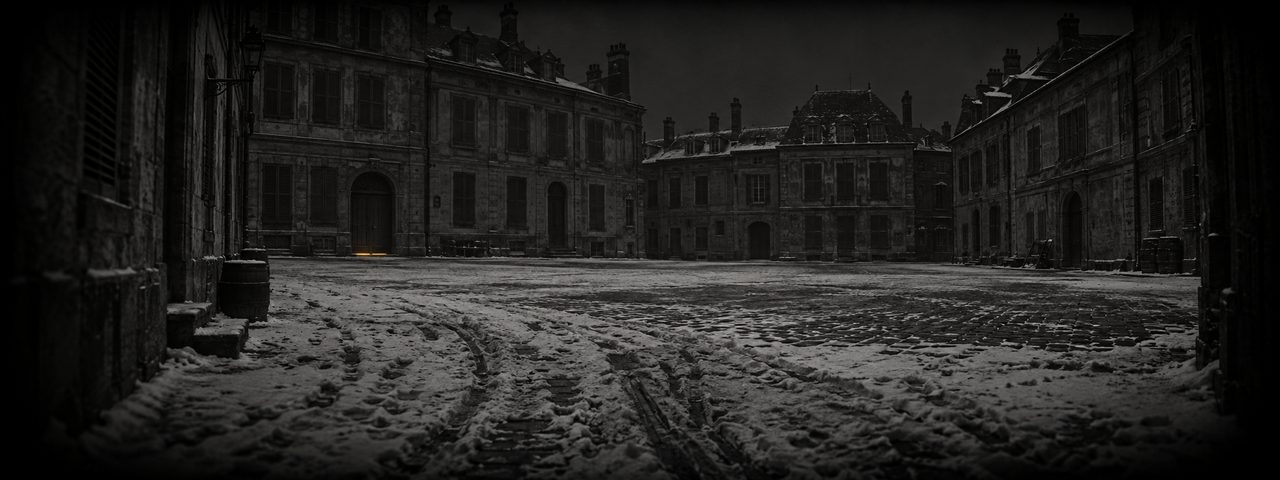
All of that rests on Ferrum Alpina, the second of the seven internal States of the Clerical Order, and in particular on its capital, Ferrumkar — the forge-city. Out of it comes the Choir-Iron that armours fortresses and edges blades, and the Hashmalite that drives generators and lights lamps. No other city in the world does both.
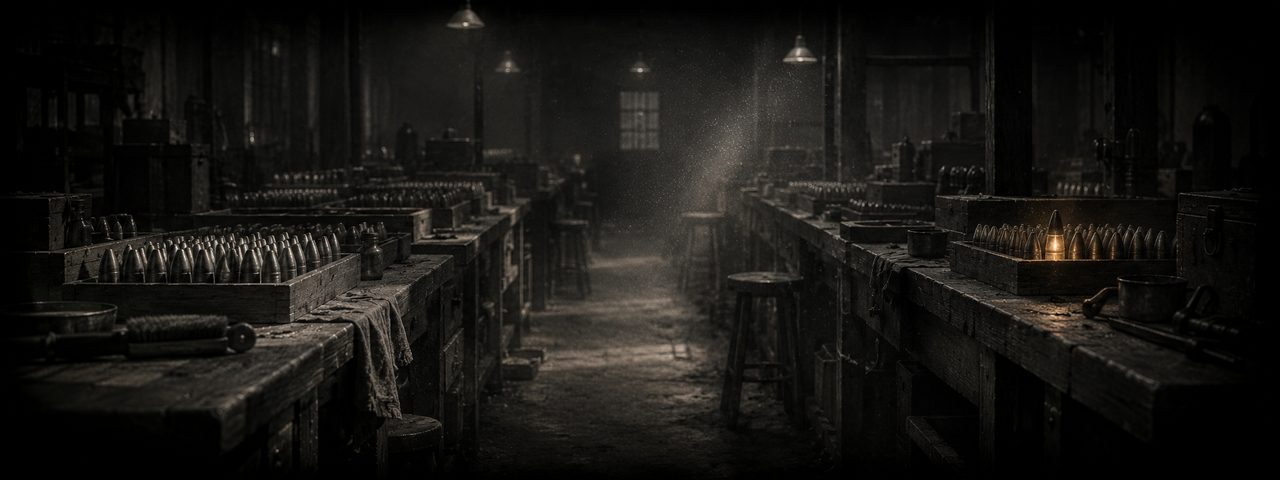
The price is written in the geology. Hashmalite is friable, and its dust is a respiratory toxin: it goes in and it does not come out. A man who works the galleries of Ferrumkar knows, at thirty, what he is going to die of. When he can no longer climb the stairs in one go, he is transferred to a bench. When he can no longer hold a tool, he receives an invalidity pension — twelve years of gallery — and his son goes in after him with preference. There is a waiting list to get in. In the city they call them the glass, for the colour the skin takes against the light.